
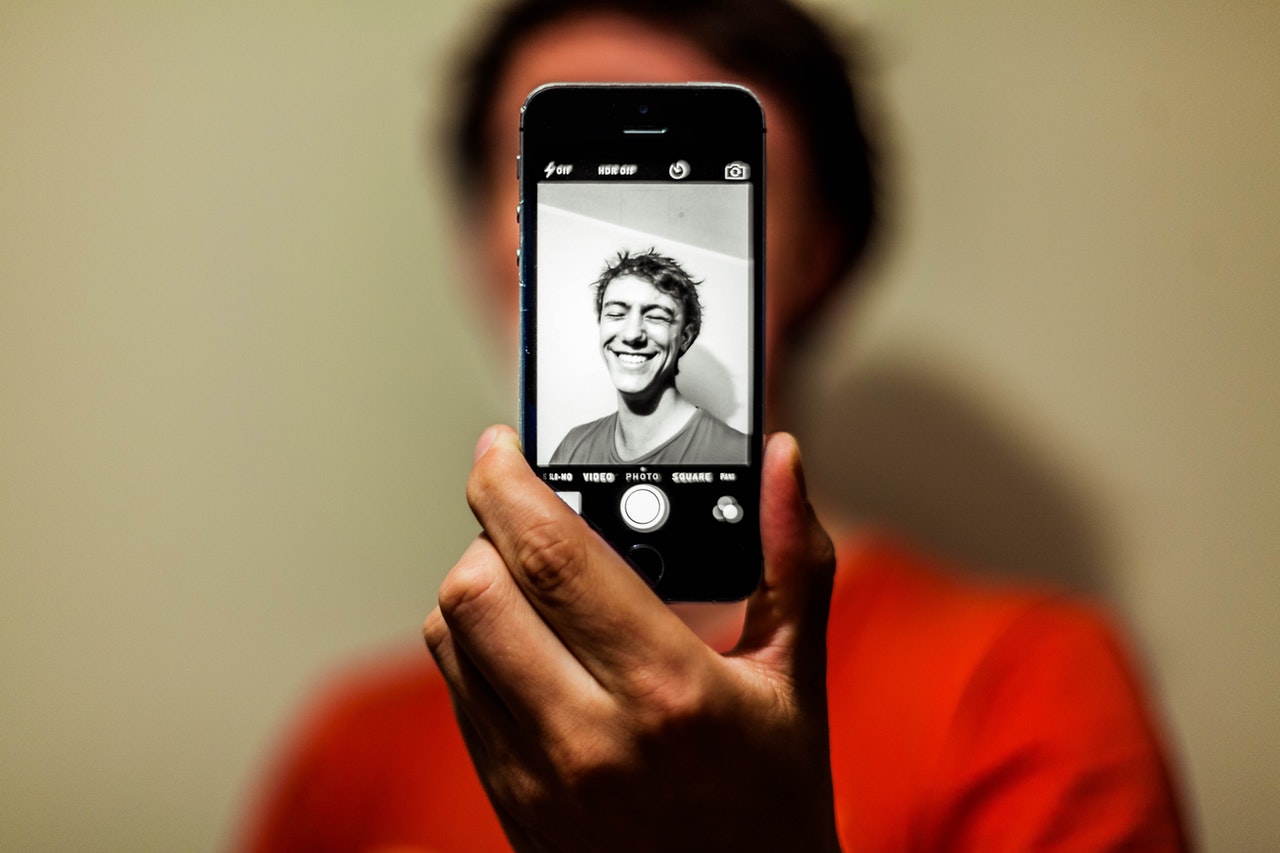
 Our physical body and the digital space are becoming increasingly intertwined.
Recently, Apple announced plans for its “Face ID” feature, where you can unlock your iPhone X with your face.
The applications are extending to your workspace where you could use a biometric marker, such as your fingerprint or your face, to access certain areas or pay for goods.
For example, Chinese coworking operator UrWork is partnering with the Alibaba fintech Ant Financial to create a fully staff-less experience in its flexible office workspaces using face recognition software and digital payment systems.
UrWork wants members to buy snacks and enter a conference room, gym, or karaoke room within its centres by blinking at a screen or scanning a QR code – all without the aid of a human worker, according to reports. It’s not a new phenomenon, as Ant Financial opened a cashier-free coffee shop in the city of Hangzhou earlier this year and IoT technology has already been touted as a potential replacement for community managers.
But how happy would you feel to have your face scanned every time you want to access a coworking centre or buy a cappuccino?
Sylvia Flores, chief creative officer for Bad Agency, has used coworking spaces for the last couple of years and considers them to be “the hotbed for the latest and greatest ideas and technology – it wouldn’t be surprising at all if the space I’m in adopted biometrics as a payment option.”
“Being a first adopter of all technology I can get my hands on, I don’t have any fear of biometric markers – frankly, I would be more than happy to get something embedded in my skin to keep me from needing to carry a wallet,” she added.
Bob Katz, CEO of financial analysis and control technology services company FACTS Consulting, believes biometrics would bring benefits to co-workers. He said: “I would definitely appreciate using facial recognition or fingerprint to pay for coworking space. Since coworking is much like monthly rent, using biometric markers would be more convenient and would not be subject to risk, as would using biomarkers for point of sale purchases, for example.”
Others are less happy with the idea.
A hacked password can easily be changed, but a fingerprint is forever.
Ian Wright, founder at UK comparison site Merchant Machine, thinks face-based payments ‘sound awful’. He added: “I really hate the idea of being scanned automatically and, quite frankly, find it rather creepy. If I had to choose what a biometric marker to use, I’d much rather use a fingerprint than my face. There is something vaguely Orwellian about using your face to pay for things.”
Simon Ponder, SEO Outreach Manager at Image Freedom, echoed this sentiment and said: “I work in a coworking space, and I do not know how comfortable I feel with them owning both my financial information and my biometric information. A hacked password can easily be changed, but a fingerprint is forever.”
It’s a pertinent point and some have voiced their security concerns around biometric technology. In the case of the iPhone X authentication system, the biometric data is encrypted and stored on the phone. In other words, there is no single database for hackers to steal this information. The exact details of data security for co-workers are less clear – but these concerns must be addressed for such technology to see widespread adoption.
Research reveals that consumers are split when it comes to facial recognition software. More than one-third (34%) of US internet users had a favourable view of facial recognition software in personal devices. However, 39% felt the opposite way and more than a quarter (26%) said they either weren’t sure how they felt, or had no opinion about it